
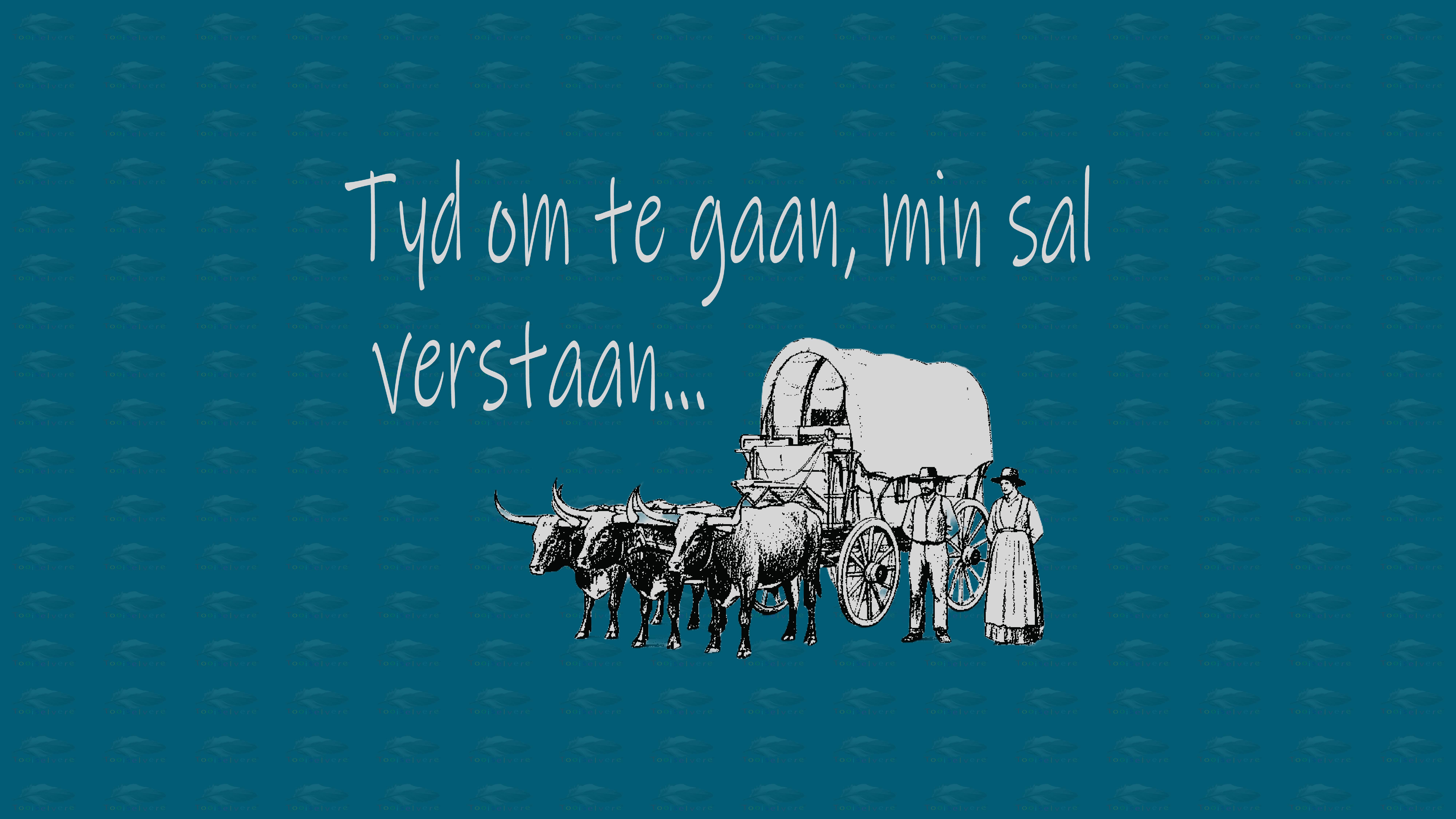
Copyright © 2026 Illustration by Wilhelm Laufs
By the late 18th century the VOC was crippled by corruption, high military costs, and the disastrous Fourth Anglo-Dutch War (1780-1784)
In 1795 France invaded the Netherlands and on December 31, 1799 the Dutch government officially revoked the VOC’s charter, liquidated the company and took over its debts and remaining territories.
In 1975 with the battle of Muizenberg the British landed troops and defeated the VOC controlled garrison as they feared the French would block access to India.
They then returned the colony to the dutch in 1803 but took it again in 1806 at the Battle of Blaawberg.
The Great Trek (starting around 1835) was a pivotal migration in Southern African history, where thousands of Dutch-speaking colonists, known as Trek Boere, left the British-controlled Cape Colony to venture into the interior.
The main reasons for the Great Trek were:
1. The Boere were again under Roman Catholic Rule and didn’t want to serve the Pope. Memories of the Counter Reformation still lingered large.
2. With the British Slavery Abolition Act of 1833 the Boere felt the compensation offered by the British government was inadequate and difficult to claim, as it often had to be collected in London. Beyond the money, the Boere didn’t like the shift in social hierarchy.
3. The Cape Colony was becoming overcrowded. As the population grew, young farmers found it increasingly difficult to acquire affordable, fertile land. The British government had introduced a new land tenure system that replaced the traditional “loan farm” system with more expensive, surveyed, and taxed land.
4. The Eastern Cape frontier was a zone of constant conflict between the Boere and the Xhosa people. The Boere felt the British government failed to provide adequate military protection against Xhosa cattle raids. They were particularly angered by the British decision to return the Queen Adelaide Province to the Xhosa in 1836.
5. The British “Anglicization” policy felt like an assault on the Boer identity. English was made the official language of the courts and government in 1822, displacing the Boer Dutch/Afrikaans.
6. Ultimately, the Trek Boere wanted to live under their own laws, away from the “meddlesome” British administration. They sought to establish an independent Boer Republic where they could govern themselves according to their own religious and social values.
Please like, comment and subscribe to support my work. Visit my website for more info: wilhelmlaufs.com
Thanks for reading.
Leave a Reply